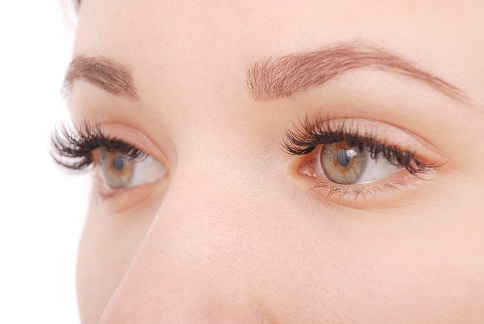
Binocular vision dysfunction (BVD) is an eye muscle strain condition caused by tiny misalignments in your eyes. It results in a range of uncomfortable symptoms like headaches, dizziness, anxiety, trouble concentrating, and more. Because many of these symptoms overlap with other, more common and well-known medical conditions, patients with BVD are often misdiagnosed and struggle to find treatment that really works. In today’s post, we shed light on this condition by explaining what causes it, what the risk factors are, and how we treat it.
How BVD Develops
Your ability to see the world around you is the result of a complex process involving both your visual and neurological systems. One requirement of healthy vision is the perfect alignment of your eyes. To see one clear picture, rather than double images, your eyes need to be vertically aligned. If they are even slightly misaligned, the image you see in one eye may appear higher than in the other eye.
The human brain does not allow double images. To correct this issue, the brain forces the tiny muscles in your eyes that control your eye movement to compensate for the misalignment. Though this does correct the misalignment, it causes a great strain on your eye muscles, resulting in BVD.
- Headaches
- Migraines
- Dizziness and vertigo
- Anxiety, especially in crowded spaces
- Trouble focusing
- Blurred vision
- Difficulty reading
- Light sensitivity
- Shaky vision
Risk Factors
BVD is often genetically inherited. However, you may not notice any symptoms for many years, as it can take time for your eye muscles to show signs of strain. Symptoms such as blurred vision or headaches might pop up from time to time, but few doctors will immediately suspect BVD as the underlying cause, since the condition is difficult to detect and not widely known. BVD may also be acquired as a result of a head trauma such as a concussion, stroke, or neurological disorder. People that have sustained sports injuries are particularly at risk. The aging process can also lead to the asymmetry of the eyes that causes BVD.
How We Can Help
Dr. Cheryl Berger Israeloff of The Neuro Visual Center of New York is a pioneer in the detection and treatment of BVD. If you have any of the symptoms mentioned above, we recommend scheduling an appointment at your earliest convenience.
During your visit, we will perform a special exam to check for the miniscule misalignments in your eyes that indicate BVD. Why can’t you just get tested for BVD at your regular eye doctor, you may be wondering? Because most eye doctors don’t have the specialized training or state-of-the-art equipment needed to conduct the BVD test.
Our treatment for BVD is fitting you for special custom aligning lenses that correct the misalignment in your eyes so your eye muscles no longer carry the burden. For more information or to schedule an appointment, call us today at (516) 224-4888.






Am Charles from Kenya 30yrs old. I have already experiencing this BVD symtom for 2 years, i have visited six eye clinic expert but no one have noticed this promblem. Please i need a help. Thank you
Hi Charles,
We invite you to visit our website and take the questionnaire. Someone from our staff with contact you with the results.
Did you get help?
I have been checked and diagnosed with BVD. I had prisms added to new eyeglasses. The new glasses have helped with my immediate vision issues except for driving. Is there anything else that can be done? I am also diabetic and want to know if BVD can be related?
I live out of state so an appointment would be difficult.
Thank you
Every case is different so I would check with your doctor. We can not comment on individual cases.
All the best,
The Neuro Visual Center